
TL;DR
Inspection with drones of solar panels provides fast, safe and data-driven insight into the condition and performance of medium and large PV installations. By combining RGB images, thermography and geotagging, you locate targeted hotspots, damage, contamination and string problems without roof access or long downtime.
- Suitable for large roofs, solar parks, carports and hard-to-reach or high-risk sites.
- Structured process with risk analysis, flight plan and professional report with priorities.
- Thermographic analysis translates thermal images into concrete maintenance and replacement actions.
- Increases yield, reduces risk and underpins audits, insurance filings and ESG reporting.
- Usually periodically every 1 to 3 years, supplemented after storm damage or unexplained yield drops.
For small, easily accessible systems, a simple visual or handheld inspection is often sufficient. Check out the broader approach around solar panel inspection For examples and trade-offs.
A drone solar panel inspection provides fast, safe and data-driven insight into the technical condition and efficiency performance of your installation, without requiring technicians to climb onto the roof. Targeted aerial and thermal images detect hotspots, damage and connection problems that a visual inspection on the roof often misses.
What is a drone inspection of solar panels?
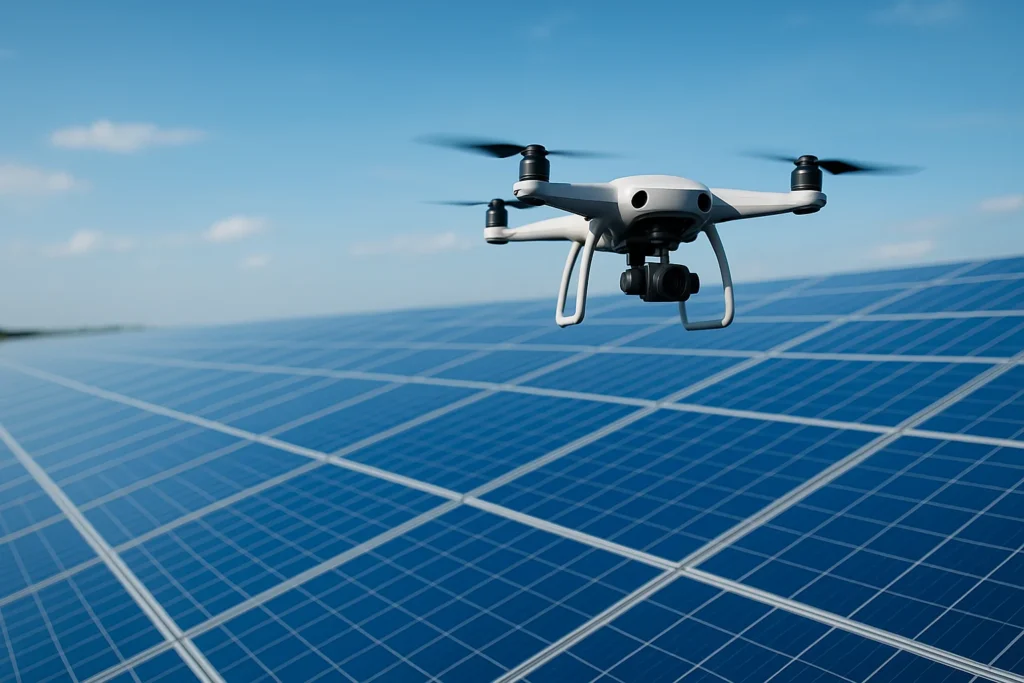
A drone inspection of solar panels is a structured inspection in which professional drones collect sensor data for analysis and reporting. Unlike a traditional visual inspection on the roof, this method combines high-resolution RGB photos with thermal imaging and geo-referencing, so that anomalies are accurately located and quantified. This makes drone inspection solar panels suitable for rooftops, carports and large-scale solar parks, and for situations where time, safety or accessibility are an issue.
- High-resolution RGB cameras for visual damage, dirt and assembly marks
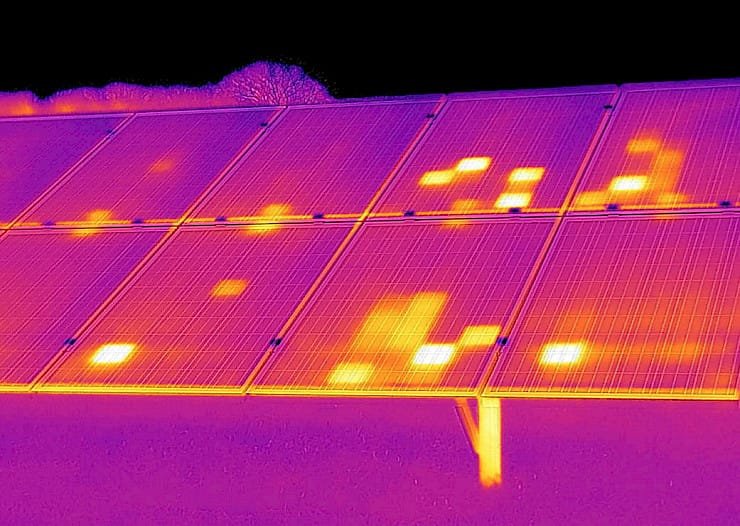
- Infrared or thermal cameras, the core of what is drone thermography, for hot spots and temperature patterns
- Geotagging and mapping software for accurate positioning and inspection reports
A professional drone inspection requires certified pilots, flight planning according to regulations and site safety agreements, it is not a hobby drone operation. Solarco processes the collected images into a practical inspection report with geo-located anomalies and priority recommendations, and can further explain thermographic findings via our specialised thermographic inspection page: thermographic inspection. This approach is not called professional drone inspection for nothing, as accuracy, chain of custody and applicable maintenance advice are key.
When does inspection with drones of solar panels make sense?
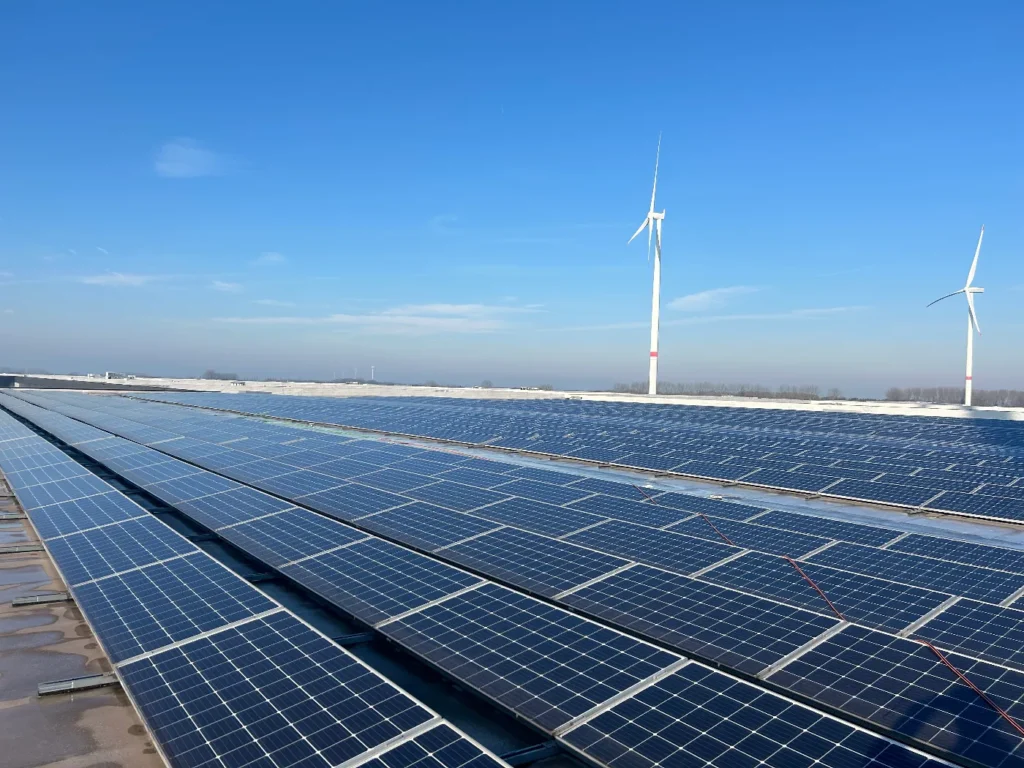
For medium and large PV installations, inspection with drones solar panels offers the greatest added value as soon as accessibility, safety or scale become a challenge. Think of large company roofs, logistics halls, carports and solar parks where a traditional inspection causes a lot of time, high risk and downtime. In that context, a targeted drone inspection helps to objectively determine when solar panels really need to be inspected, instead of relying on gut feeling or monitoring software alone.
Typical application scenarios for businesses
Professional owners rarely deal with one small roof, but portfolios with multiple sites, diverse mounting systems and different inverters. Then a structured solar panel inspection with drones becomes a practical way to compare installations, prioritise anomalies and plan maintenance. Especially when you already suspect dirty or underperforming panels, a drone inspection perfectly complements data from monitoring and reports on dirty solar panels and loss of efficiency.
- Vast company roofs where a physical inspection requires a lot of time, safety measures and work interruption.
- Solar parks, ground installations and carports where you want a complete overview of all strings in a short time.
- Installations with restricted or high-risk access, for example near industrial processes or along busy traffic axes.
In all these situations, inspection with drones solar panels supports a data-driven maintenance approach rather than ad hoc interventions. A central question is no longer whether, but how often a solar panel inspection needed to control performance and risk. By combining aerial imagery and thermography, you can see exactly where interventions are cost-effective and where you feel free to do nothing.
Limits and when another inspection method is better
Not every situation requires an immediate inspection with drones solar panels, sometimes a simple visual check or a targeted measurement on the roof will suffice. For small private systems or easily accessible SME roofs, for example, a physical inspection can be more efficient, especially if there is already obvious visible damage. There is no mandatory solar panel inspection for private individuals, but professional asset owners do have to deal with technical audits, insurance requirements and ESG reporting.
A sensible solar panel inspection frequency takes into account power, business importance and environmental factors such as dust, traffic and agriculture. We often see a periodic drone inspection every one to three years, supplemented by an additional check after storm damage or in cases of unexplained drops in yield. In cases where a cable or inverter fault is suspected, an on-site electrical measurement or detailed inspection may be the right complement to the drone images. This keeps the combination of techniques in balance with the cost, risk and impact on your operations.
How does a drone inspection of solar panels proceed?
A professional drone solar panel inspection involves a structured process, from preparation to inspection report. It is not about briefly flying a drone, but a planned intervention with risk analysis, flight plan, safety procedures and clear agreements on data and reporting. If you want to understand how drone inspection works in a B2B context, you should especially look at the combination of technology, safety and interpretation of the images.
1. Site preparation and safety arrangements
Location, layout, inverter configuration and any risk areas are mapped in advance, often based on plans and previous reports. On that basis, a roadmap drone inspection solar panels is developed, including flight altitude, grid patterns, no-fly zones and emergency procedures. In consultation with the site manager, timing, accesses, any work permits and the impact on production or logistics are coordinated.
This is followed by the formal risk analysis focusing on flight rules, obstacles, weather conditions and staff presence at the site. Clear safety agreements prevent people from unexpectedly coming under the flight zone and ensure that other work does not conflict with the drone operation. For large industrial sites or solar parks, this preparation is at least as important as the flight itself, as it lays the foundation for a reliable and repeatable inspection with drones solar panels.
2. Flight, data collection and elaboration of the report
During flight, the pilot follows the predefined plan while the sensors capture images in both RGB and thermal spectrum. The drone flies structured patterns over the entire field to ensure complete coverage while maintaining the best angle of incidence for the infrared images. Thanks to GPS and mapping software, all images are instantly linked to the exact location of each panel and string.
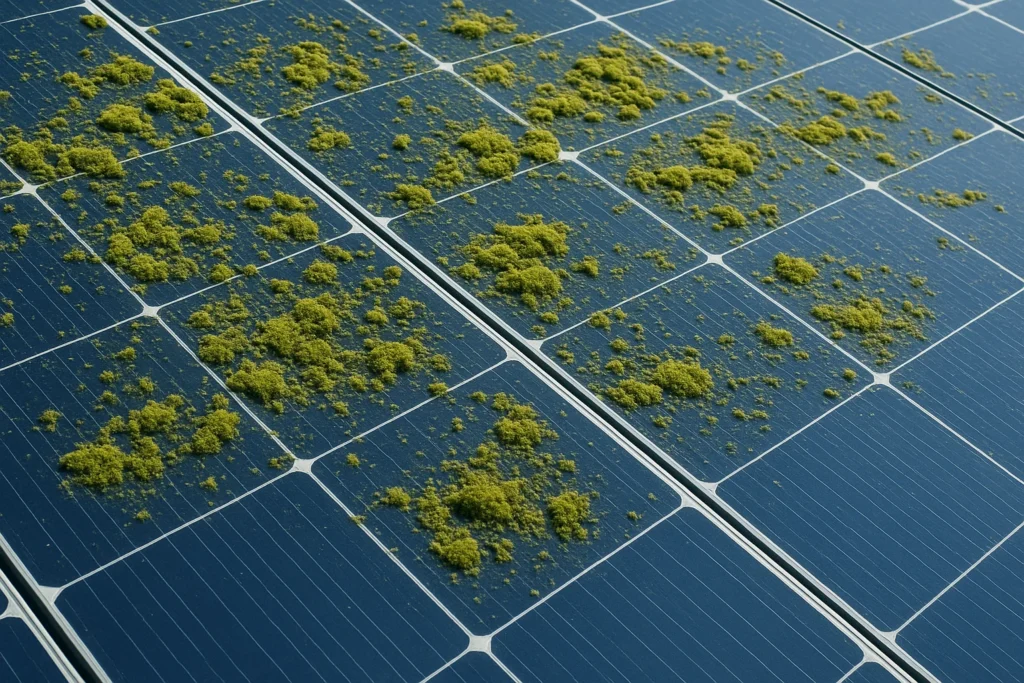
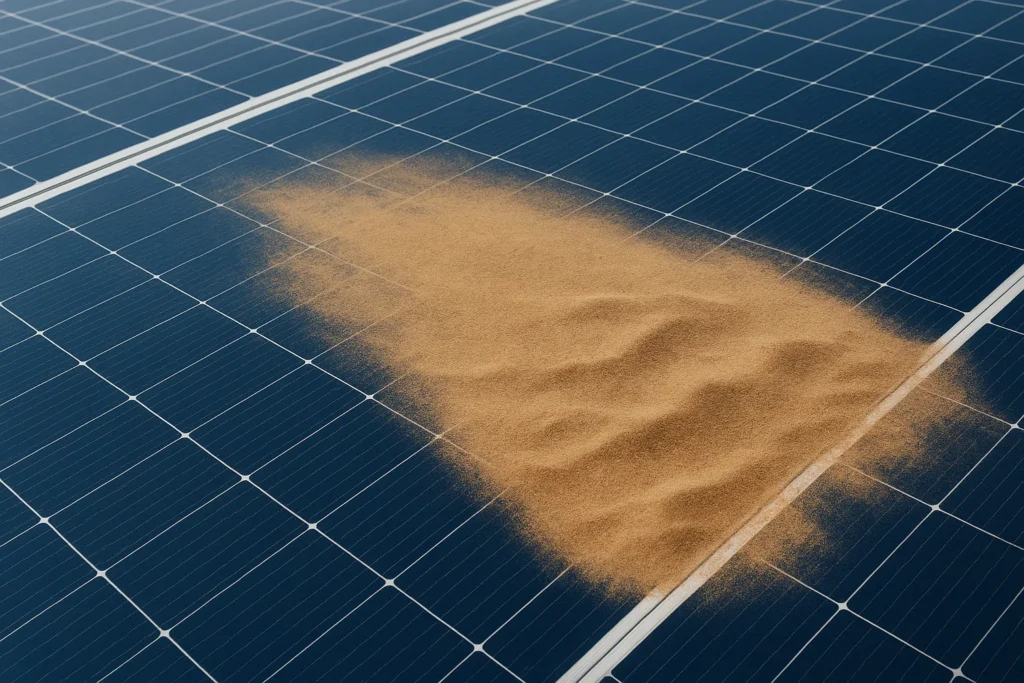
- Visual images capture cracks, fractures, contamination, mounting damage and shadowing issues.
- Thermal images show hot spots, cold cells, faulty bypass diodes and string breaks.
- The findings are incorporated into a structured solar panel inspection report with priorities and recommendations.
After the flight, the data are loaded, filtered and validated to eliminate false detections and noise from the results. Solarco then translates the findings into a clear report with geo-located defects, yield impact estimates and recommendations for cleaning or technical maintenance. That report forms a logical starting point for planned solar panel maintenance and can be combined with a general detailed solar panel inspection where necessary. Thus, drone solar panel inspection becomes a concrete decision basis for your maintenance budget rather than a stand-alone snapshot.
Thermographic inspections at Solarco
At Solarco, thermography is a core tool within inspection with drones solar panels, as temperature anomalies are often the first indication of yield loss or incipient damage. Professional infrared cameras, both handheld and on drones, are used to take thermal images that show problem areas at a glance. This thermographic drone inspection is always coupled with a technical interpretation, so you not only get beautiful images but, above all, actionable maintenance advice.
Thermography with drones versus handheld inspections
Handheld infrared solar panel inspection is particularly suitable for detailed examination of limited areas, for example when a specific roof area is suspect. The inspector then safely walks along the rows of panels, often after a preliminary diagnosis from monitoring data. This approach provides very detailed information, but takes time and is less efficient for large fields or scattered sites.
For large roofs and solar farms, Solarco uses drone thermography to image an entire field in a short time with a professional-quality thermal camera. The drone systematically scans all rows and strings, so that abnormal panels and patterns become immediately visible. The images clearly show which panels are unusually hot, which areas remain noticeably cold and where patterns indicate string problems or poor connections. Where necessary, a targeted detailed inspection can then be carried out based on our specialised thermographic solar panel inspection.
Analysis of thermal images and translation into action points
The power of thermographic inspection with drones solar panels is not only in taking the images, but in interpreting them. Hotspots often indicate local cell or connector problems that can eventually lead to accelerated ageing or even safety risks. Cold zones or anomalous patterns, in turn, can indicate failed strings, bad contacts or faults in the cabling that directly cost yields.
- Localised hotspots indicate which panels have priority in maintenance or replacement.
- Pattern deviations per string help to quickly isolate inverter or cabling problems.
- Differences between similar roof surfaces show where pollution or shade costs extra efficiency.
Solarco translates these findings into concrete and quantified action points, often linked to the expected impact on yield and lifespan. In doing so, we connect to broader insights on hotspots and yield, as described in our expertise on hotspots on solar panels and yield loss. Instead of just a visual report, this gives you a full picture of risks, potential yield gains and the optimal sequence of interventions. This makes thermographic drone inspection a logical building block of a modern, data-driven maintenance strategy.
Costs, benefits and ROI of drone inspections of solar panels
Many asset owners wonder what is the cost of a drone inspection relative to the potential yield. The reality is that the cost drone inspection solar panels depends heavily on scale, complexity and reporting needs. That is why Solarco always looks at both direct costs and the expected impact on yield, risk reduction and maintenance decisions.
What factors determine the price of a drone inspection?
The main cost drivers are the total power and physical size of the installation, the number of sites and their accessibility. A compact farm roof requires less preparation and flight time than a vast solar farm with several fields and height differences. Additional requirements such as detailed reporting per panel, additional visual inspections or re-inspections after repair also influence the price.
In addition, site-specific factors such as safety regimes, work permits and the need for extra coordination on industrial sites also play a role. For example, an inspection with drones solar panels on a chemical site or along a busy railway line requires more preparation and coordination than on a standard logistics rooftop. Finally, the desired depth of analysis and coupling with other services, such as professional solar panel cleaning or structurally solar panel maintenance, along with the total investment.
What does a good inspection report actually deliver?
The benefits of an inspection with drones solar panels are in three areas, namely extra yield, lower risks and better informed decisions. By detecting hotspots, faulty strings and heavily polluted areas, you prevent long-term invisible yield losses. The efficiency solar panel inspection can then be expressed in extra kilowatt hours, avoided production losses and a longer service life of critical components.
In addition, a clear inspection report helps to better target maintenance budgets and actually conduct discussions with installers, insurers or auditors. A well-founded analysis seamlessly links up with your ESG reporting and technical audits, as risks and measures are demonstrably documented. Thus, the ROI maintenance solar panels is not only determined by direct additional yield, but also by fewer failures, shorter downtime and more predictability in your operation. For many companies, this makes a periodic drone inspection not a cost item, but a logical step within their wider package of Solarco services around performance and safety.
Is a drone inspection suitable for your solar panel installation?
Whether an inspection with drones solar panels makes sense depends mainly on installation size, accessibility, safety and the questions your monitoring raises. For medium to large roofs or solar parks, such an inspection provides quick and cost-efficient insight, especially when classic hands-on roof inspections are difficult or risky. When you want to prioritise maintenance and investments based on yield impact rather than gut feeling, a drone inspection fits logically into a data-driven maintenance strategy.
For small, easily accessible installations, a simpler approach is often sufficient, but as soon as scale, safety or unexplained yield losses come into play, inspection with drones solar panels becomes an efficient choice. For a quick test of suitability or examples of our reports, check out our page on solar panel inspection or discuss your situation with our team via the contact page of Solarco.
FAQ
What is the biggest advantage of a drone inspection over a visual inspection on the roof?
A drone inspection provides a quick and safe overview without requiring technicians to climb onto the roof. Combining high-resolution RGB images, thermography and geotagging, you get geo-localised and quantifiable deviations, which is more accurate and efficient for large or hard-to-reach installations.
How often should I have my solar panels inspected by drone?
For many professional plants, a periodic drone inspection every 1 to 3 years is common, supplemented by an additional inspection after storm damage or in case of unexplained yield drops. Frequency depends on scale, environmental factors (dust, traffic, agriculture) and the importance of continuous yield.
Are drone inspections safe and compliant with regulations?
Yes, if carried out by certified pilots with prior risk analysis, flight planning and site safety agreements. Solarco operates according to applicable aviation regulations and makes clear agreements on no-fly zones, access and data handling to ensure safe and compliant inspections.
What does a drone inspection cost and what does such a report specifically provide?
The price depends on power, size, number of sites, accessibility and reporting requirements. A good inspection report delivers concrete benefits: detected hotspots and defects reduce yield losses, target maintenance budgets more effectively and support audits and insurance claims. See also our customised services: Solarco services.
When is a drone inspection not the best choice?
For small private systems or easily accessible SME roofs, a physical inspection or handheld thermography may be more efficient, especially if there is already obvious visible damage. Detailed on-site measurement may also be necessary in addition to or instead of drone images if electrical faults are suspected. Consult our thermographic inspection for detailed research.


 English (UK)
  Nederlands (België)
  Français
  Deutsch